What is off-page SEO?
"off-page seo" (also called "off-site seo") refers to actions taken outside of your own website to impact your rankings within search engine results pages (serps).
Along with on-page seo , these include several of the
factors
of basic seo that help a site to rank. Optimizing for off-site ranking factors involves improving search engine and user perception of a site's popularity, relevance, trustworthiness, and authority. This is accomplished by other reputable places on the internet (pages, sites, people, etc. ) linking to or promoting your website, and effectively "vouching" for the quality of your content.
On your promotion strategy, the time you spend on off-page search engine optimization will vary. Based on the study of dr. Pete meyers from moz, approximately one -third of all web site owners devote about 30% of their time to off-page promotional factors, and the remainder to on-page promotional variables. On-page seo tactic optimization is any seo actions you take on your website in order to rank better for a particular search term. With on-site optimization, you want to optimize your site’s content and backlinks so that google sees it as an authoritative source. All can be start with one blog post.
In my onsite seo beginners guide, i wrote about how modifying the content on your website can affect your search engine rankings . This offsite seo beginners guide explains how getting links to your site from other sites can propel your web pages up the search engine listings. Backlinks from other sites affect search engine rankings more than anything else. The number and quality of links pointing to your site will, on the whole, determine what position your site ranks in google and the other search engines. Sources of traffic and seo links include social media sites, google local search and other websites.
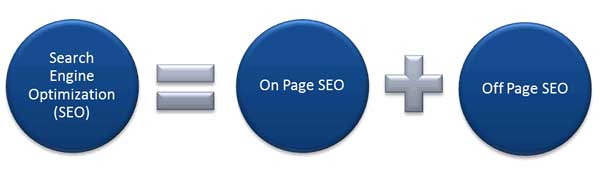
Onsite and offsite seo, otherwise known as on-page and off-page seo, are the two main components of the search engine optimization (seo) process. For maximum exposure to the search engine results and for higher rankings, you need to understand the difference between the two and how to utilize them better.
Why does off-page SEO matter?
Off-page seo has its own importance, but don’t forget about the on-page seo activities. No matter how strong your off-page is, without proper on-page seo you may not get a higher ranking in serps. You need to have a fast loading website, and seo optimized hosting can help you to achieve that. And, the list does not end here! there are many more areas to explore by yourself. Keep one thing in mind: the more high authority websites you have referring to you and talking about you, the more chance you have to rank higher.
 Now go explore more and share your thoughts in the comments section.
To successfully execute an seo campaign, there has to be persistent offsite work performed in line with practice guidelines. Effective link building requires a great deal of understanding, and at pavilion web, we put in the hard work required to boost online presence for our clients using brand mentions and building backlinks from authority sites. We help you earn backlinks by primarily focusing on a number of key elements surrounding quality content creation and promotion. We’ll create and promote useful content on your website to attract and earn natural backlinks to your web pages. When other sites link back to your website, the major search engines take that as a signal for good content.
On-page search engine optimization is important. After all, you don’t want google to view your site as a neglected portal. I’m sure you’ve heard enough about meta tags and keyword density. Yet, there are other important on-page seo factors that matter and that are often overlooked. This on-page seo infographic from backlinko lays many of them out for you: one of the reasons many authority sites no longer dominate the top organic listings is because they’ve neglected basic on-page seo. You want to link to your internal pages using the keyword that best defines that page. When you create a landing page that you would like google to rank highly, you should pass more seo juice to that page from your important pages.
When it comes to wrapping your head around a comprehensive digital marketing strategy, there are several factors to consider—including c-suite buy-in. If you find your boss or ceo asking “what is off-site seo and why does it matter?” use this article as your guide. Additionally, try our tactics while monitoring brand signals to ensure success and roi. Keep in mind, off-page seo can be complex and takes months or even years to build. If you need help, reach out to our team of experts at 10x digital.
Links and off-page SEO
Search engines have been trying for decades to find a way to return the best results to the searcher. To achieve this, they take into account a number of on-page seo factors (described below), some other quality factors, and off-page seo factors. Off-page seo gives them a very good indication of how the world (other websites and users) perceive the particular website. A website that is high quality and useful is more likely to have references ( backlinks ) from other websites. It is more likely to have brand mentions on social media (facebook likes, tweets, pins, etc. ) and it is more likely to be bookmarked and shared among communities of like-minded users.
Linking back from sites with higher pagerank than yours will help jack up your own pagerank. However, you need to be careful when picking sites from which to link back. Before google did a major overhaul on their algorithm, quantity seemed to be the dominating factor behind successful off-site seo strategy. Today, quality trumps quantity. Quality backlinking calls for links from very relevant and high authority sites. You want to create links from sites with good reputation, and ideally they will relate only to your niche.
Off-site seo — sometimes called off-page seo —is any action taken outside of your own website to increase your rankings in search engine results pages. Here are some of the primary aspects of off-site seo: creating inbound links with appropriate anchor text that point to the correct service page or blog creating a diverse set of backlinks with the appropriate volume and velocity getting reviews on google, facebook, and yelp check-ins from social media for brick & mortar businesses optimizing your directories, maps, and portals in short, when off-page seo is done well, it has the power to boost search engine rankings. Essentially, it works like compound interest: efforts yield exponential results.
This is another commonly used technique for off site seo. The idea behind bookmarking is for people to link and share web pages that they like through bookmarking sites such as delicious, propeller, digg, and the like. The links can be seen by other online users, who may decide to visit your site. As a result, your website traffic will increase. While not as popular as it used to be, bookmarking is still a good strategy to use if you want to get traffic to your website. Depending on your niche, there are many bookmarking sites that you can use for promoting your content.
Build links strategically with Moz Pro
New ideas in marketingessential news for marketers, summarised by yougov resources printable version reviews enable consumers to share their product, service, and customer experiences with others. When used correctly, reviews can augment seo ranking and act as trust signals. Off-site seo initiatives like building credible backlinks, being active on social media, or creating a profile on third-party review platforms can help brands enhance search rankings. Kyra sammis, customer success manager at trustpilot, says, that as per moz. Com, “offsite seo-related factors like third-party reviews carry more than 50% of the ranking factor weight. ” referral traffic from third-party review sites can further boost seo efforts, as many have high authority and trust levels.
How to do off-page SEO
Also called off-page seo, off-site seo covers all the seo tactics that take place outside of your own website. (tactics on your own site are considered on-site seo, for obvious reasons. )as moz explains, optimizing for off-site ranking factors involves improving search engine and user perception of a site’s popularity, relevance, trustworthiness, and authority. There are strategic steps you can take to maintain healthy off-site search engine optimization that shouldn’t consume too much of your time. (image via rawpixel).
“off-page seo” (also called “off-site seo”) refers to actions taken outside of your own website to impact your rankings within search engine results pages (serps).
By lucille kim offsite seo refers to optimize your site for search engines without your site getting indexed. Search engines such as google, yahoo, and bing use different algorithms to rate web pages and the quality of content they contain. If your site does not get indexed by these search engines, it is important to optimize it. In particular, here are some of the best ways to build offsite seo: guest blogging. Many offsite seo strategies involve building and exchanging links with other web admins who have high page ranks themselves. For example, if you write a guest blog post about an offsite optimization topic, you can link back to your own site.
As the name suggests, onsite seo (sometimes also called on-page seo) is concerned with optimising the pages on your website itself to make them search engine friendly. This is the easier of the two to get your head around because it covers all the things you have full control over – like creating relevant header titles and filling your site with high-quality, keyword-optimised content. Onsite seo is incredibly important because it helps search engines to more easily index each page on your site and understand exactly what the content is all about. This is also important for the user as it helps them see whether the page contains what they are looking for.


Comments
Post a Comment